Categories
Blog

Latest Market trends of Injection Moulding Suppliers in China

Injection Moulding Suppliers: The latest Market Trends

Manufacturers have been reaching out to experienced and skilled Injection Moulding Suppliers to meet the rising demand for plastic parts. The injection moulding technique has been around for years. Technological advancement has led to advance and sophisticated injection moulding techniques.

The Global market insight claims that industrial applications today commonly use injection moulding for plastic formation. A wide range of industries is benefiting from injection moulding techniques. Statistics show that by 2020, the global injection moulded plastic industry will reach $162 billion.

Like all other industries, the injection moulding industry is also evolving. To stay afloat, an injection moulding manufacturer needs to follow the latest market trends. After all, the new market demands continuous changing and they are challenging.

In this article, we are going to talk about the latest market trends in the injection moulding industry.

The leading Market Trends

Injection Moulding Suppliers

High-performance materials

Instead of relying on low-quality materials, manufacturers today use high-performance materials. They prefer using materials that offer durability and resistance against high temperatures.

Likewise, they would want the material to be corrosion resistant as well. Several industries are replacing steel with these materials, automotive being on top. The reason being, these materials increase the longevity of the components.

In addition, they lower the weight, cost and improve fuel efficiency. Furthermore, manufacturers, as well as consumers, are becoming inclined towards the idea of using bio-resins. These eco-conscious plastics offer all the benefits of regular plastic while eliminating its side effects.

The bio-resins offer the same usability level with a lower impact on the environment.

Moulding More than Plastic

Initially, the injection moulding industry was limited to using a wide range of plastic. However, modern and sophisticated machines have broadened the horizon.

Today, manufacturers are able to effortlessly, mould other elements as well. For instance, they can mould carbides, ceramics, and metals. It is possible to mould these materials with minimal inaccuracy.

Enhanced Automation

Technology tends to get an upgrade every now and then. The same is the case with the injection moulding industries. It seems that in 2019, software used in injection moulding manufacturing received updates. 2020 is not going to be any different.

These software will get more updates. They will become advance, sophisticated and bug-free. Designing software like Moldflow from Autodesk and SolidWorks has become an integral part of the industry. Their latest updates and exciting features assist in improving the injection moulding design techniques and plastic parts.

In addition, the software brings smoothness to the overall manufacturing processes. After all, improved design quality and accuracy are bound to decrease the overall manufacturing cost. It will also help save the unwanted rework cost.

Some other advantages that modern software offer include forecasting of manufacturing-related defects and simulating the melted plastic flow process. Consequently, it allows the manufacturers to evaluate and makes the required changes in the manufacturing process.

They are able to identify the problem well before time, thus take timely actions. This results in cost saving in the end.

Responsibility to Recycle

For more than 25 years, developed countries around the globe have been sending their plastic waste to China for recycling purposes. According to the UN Comtrade Database around half of the world’s plastic is sent to China for recycling purposes.

However, with the implementation of China’s National Sword Policy, companies no longer have the privilege to import their plastic waste to China. Now they have to stand up and take the responsibility of recycling. It is imperative for the injection moulding suppliers and manufacturers to generate a responsible recycling plan.

They need to dispose of the plastic scrap in a proper and environmentally friendly manner.

Traceability has become imperative

Partners along the supply chain are becoming aware of the advantages traceability has to offer. When multiple partners comply with national as well as international laws and regulations, they are able to reduce the risk of low-quality material entering the supply chain.

Thus, all the partners benefit it in one way or the other. In addition, traceability ensures coordination between the relevant bodies and the authorities. It is also an effective technique for stock control and proper monitoring.

Injection Using Foam

Injection using foam is another market trend to become extremely popular among manufacturers who plan to achieve structural rigidity and high resistance in the final product.

The injection moulding trend offers numerous other benefits as well. For instance, it leads to not only superior chemical resistance but also to thermal isolation. The trend is common among the manufacturers of light vehicle panels.

Injection Moulding Using Gas

Injection moulding using gas has become popular because it offers efficiency and effectiveness. The manufacturers mainly use Nitrogen for moulding purposes. The idea is to use the gas to press the melted plastic into moulds.

Multi-Component Method

The multi-component method offers greater chemical, mechanical and thermal resistance. It allows a mould with different colors, texture, and shapes. To come up with high-quality plastic parts, mixing material and dyes is crucial.

Thus, it allows enhancing the functionality as well as the product design for increase efficiency.

Reinforced Plastics

More and more manufacturers are becoming a fan of using plastic composites. These composite materials exhibit high strength and low weight. This reinforced plastic also leads to a reduction of the pre-product cost.

Despite the low cost, they retain their strength and robustness. Carbon-based fiber, glass, aramid are among the common fibers that are being injected into plastics.

Several industries are benefiting from these reinforced plastics including Nan materials, marine, power, construction, aerospace, automotive, etc. The reduction in weight parts can lead to enhanced aerodynamics and fuel economy. Thus, this trend is extremely useful for the aerospace and automotive industries.

Micro Injection Moulding

Micro moulding has been around for some time. However, it seems that the injection moulding suppliers have now started to take it seriously. Micro moulding is a technique that injects moulding parts at a microscopic scale.

It has the capacity to take down the dimensions to the micron level. The technique has much more to offer. Thus, it has become one of the latest trends in the injection moulding industry.

This technique is extremely effective for the production of medical devices. As these devise require smaller and smaller assemblies. At such a tiny scale, the molding vendor should not mould parts. After all, there is no margin for error.

A good micro moulding vendor will ensure control by having in house quality assurance team.

Delivery Precision and Packing

In recent times, there has been an increasing demand on delivery precision and packaging. Companies are trying to maximize their logistics. They are working on delivering products to the consumer’s doorstep.

Good injection moulding suppliers have cleanrooms designated for carrying out the injection moulding of plastic products. They should also perform testing, assembling labeling and packaging with utmost care. They should incorporate technology to ensure that they deliver efficiently without error.

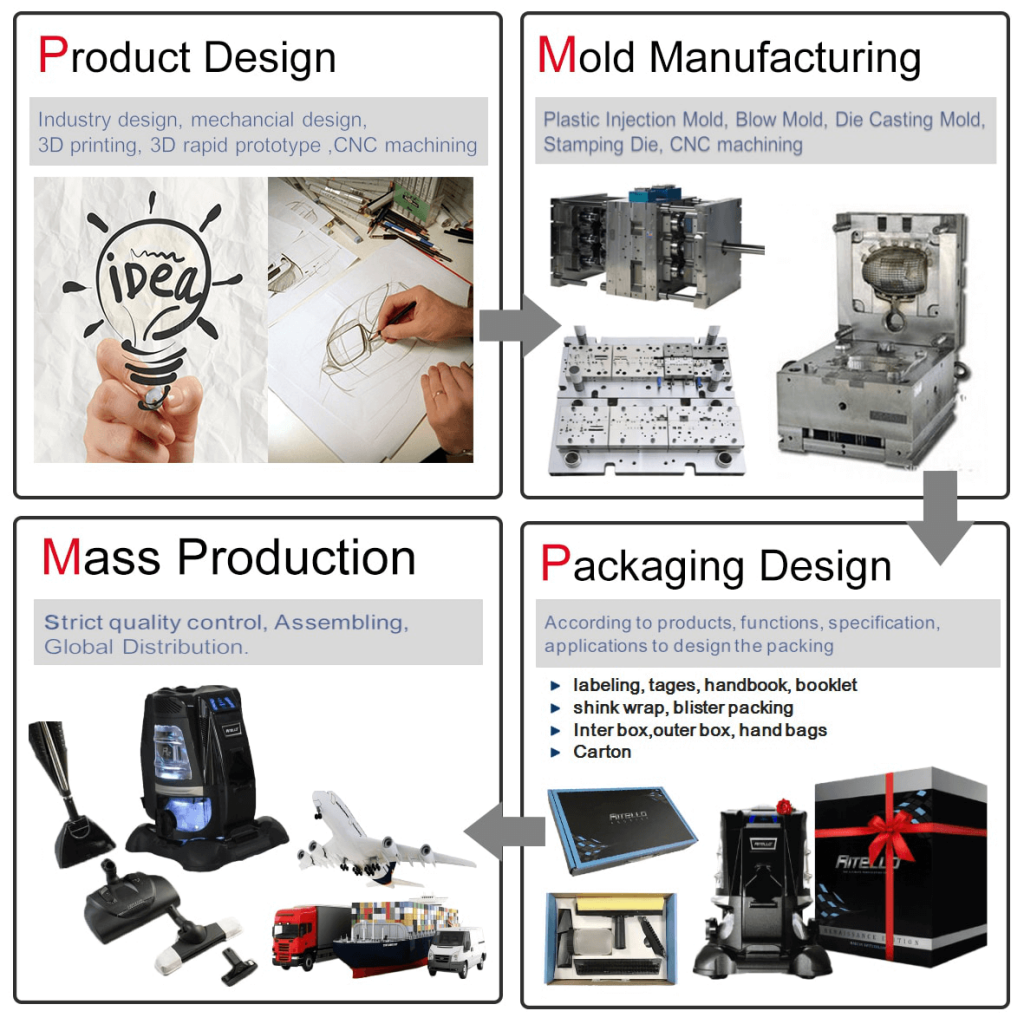
 Single Source from design to manufacturing

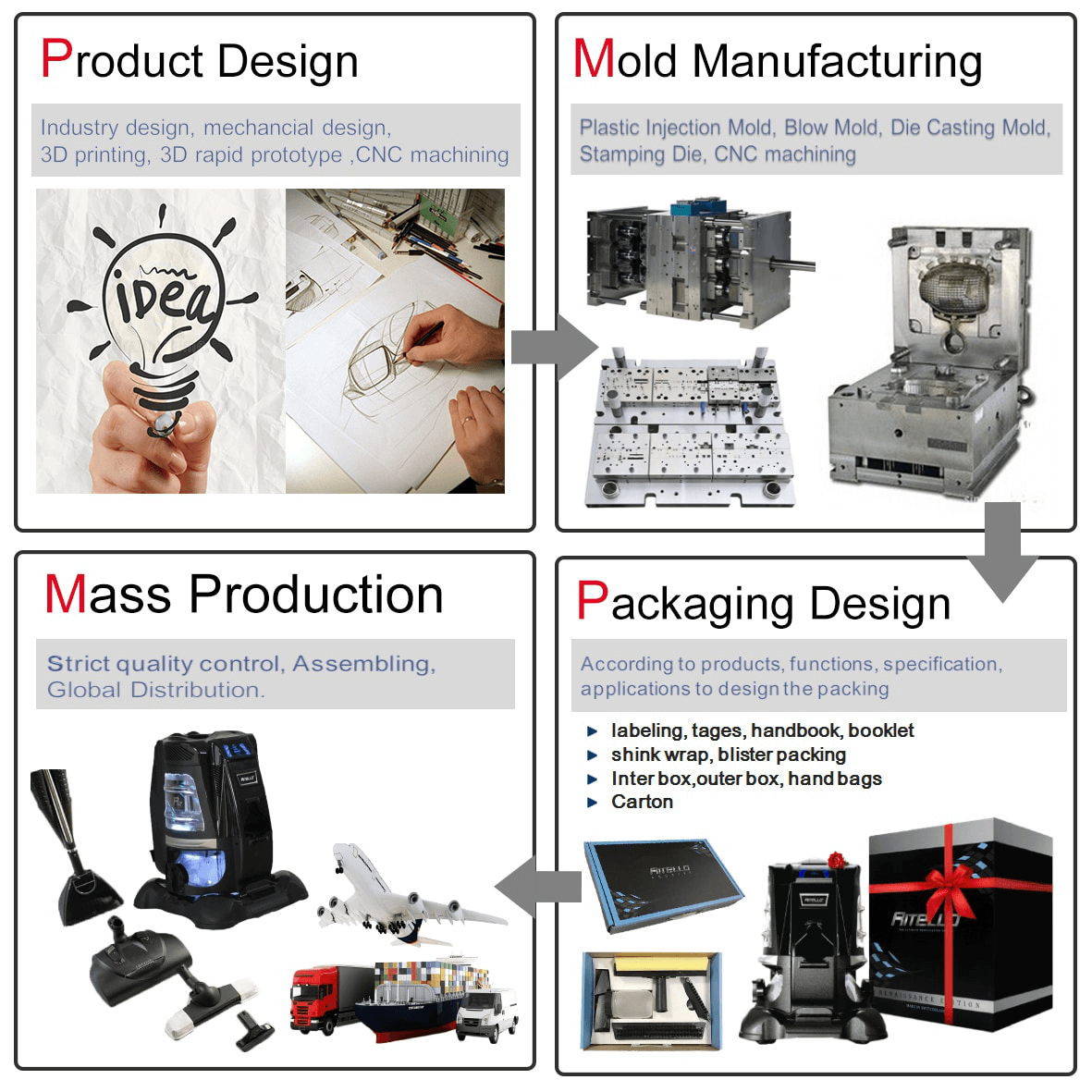
Another interesting trend that is emerging in the injection moulding industry is outsourcing to a single manufacturer. Hiring a single manufacturer means higher demands on documentation, work processes, accuracy, quality, and precision.

An experienced company would care for everything starting from design to production to packaging. They would work closely with their consumers, especially in the design and development phase.
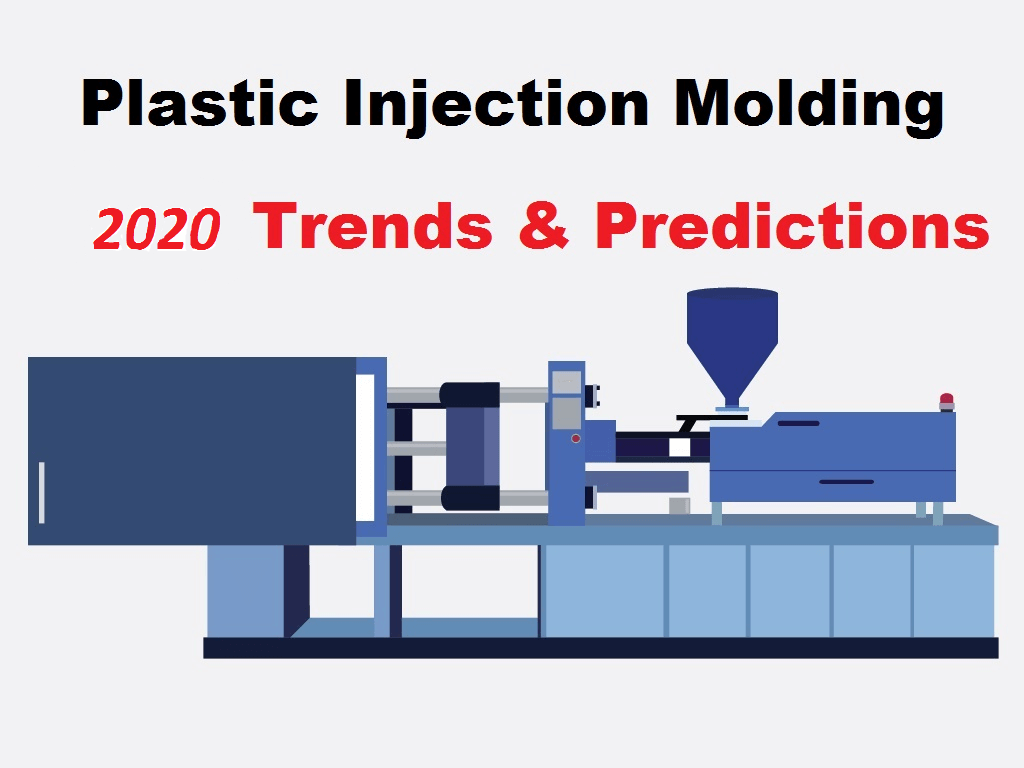
Injection Moulding manufacturers

Why Choose Us as your Injection Moulding Suppliers?

These trends in the injection moulding industry will continue to take shape this year and beyond. It is imperative to form a partnership with the leading injection moulding experts, KaitoMould.

Kaitomould is on the cutting-edge of these trends. They promise to deliver high-quality parts. Their experienced staff member will take the stress right out of the designing process to the manufacturing process. Thus, they ensure a smooth pathway from designing to the final product.

If we can help you with your project please call us at 0086-769-82821468 or email sales@kaitomould.com.
Categories
Blog

The importance, advantages and types of Rapid Prototyping Manufacturing Techniques

What is Rapid Prototyping manufacturing? Types, Merits, and Application

Rapid prototyping manufacturing is an excellent way to develop models using 3D CAD. In case, you are not familiar with CAD, it stands for computer-aided design. The manufacturers are able to fabricate models, physical parts and assembling seamlessly.

You will use additive manufacturing to complete the creation of the model, parts, and assembly. People generally refer to additive manufacturing like 3D printing. There are different types of a prototype. High-fidelity is when the prototype closely matches to the finished product.

In case the prototype does not match the final product, it is Low fidelity. There are several other types of rapid prototyping. In this article, we will be covering the rapid prototyping in detail. We will discuss its working process, importance, and applications.

Rapid Prototyping: An In-depth Analysis


Rapid prototyping is not limited to a certain type of manufacturing technology. On the contrary, it uses a wide variety of these technologies. However, rapid prototyping and additive manufacturing go hand in hand.

Several RP technologies use a series of other techniques. For instance, they use moulding, casting and high-speed machining. Additive manufacturing is the manufacturer’s top priority. However, there are several other technologies available for the creation of the prototypes.

Below, we have listed the most conventional processes for creating prototypes.

Subtractive: The technology uses turning, grinding and milling to produce the desired shape. It works on a block of material and carves it according to the requirements.

Compressive: This technique uses moulding, casting and compressive sintering. Instead of working on solid blocks and craving into shapes, it uses a different technique. It uses a liquid or semi-solid material. The technique forces the material into the respective shape. It then solidifies it.

Rapid Prototyping Manufacturing

Different Types of Rapid Prototyping


Although additive manufacturing is making big, yet you can use several other types.  Your deployment of the prototyping machine depends on several factors. For instance, the material you use for prototyping plays a vital role in choosing the right method.

Similarly, you also need to focus on the type of rapid prototyping manufacturing techniques. These 2 along with other factors will help you choose the right type.

Vat Photopolymerization (SLA)


The first successful technique for commercial 3D printing was Vat Photopolymerization. It was efficient and effective. It is still a popular choice among manufacturers. The good news is that it is among the most affordable techniques.

The technique involves computer-controlled Ultra Violet light and photosensitive liquid. The UV light solidifies that liquid layer by layer.

Selective Laser Sintering


Selective Laser Sintering (SLS) is an effective technique. Manufacturers use it for both plastic and metal prototyping. The technique involves a laser and powdered material, sinter. SLS uses a laser to heat the material.

The prototype builds one layer at one time. However, the technique does not offer satisfying results. The final product’s surface is often rough and it requires additional work. In addition, the prototype lacks strength. It is weak in comparison to the ones you have using SLA.

Fused Deposition Modeling


FDM or more commonly referred, as the Material Jetting is another rapid prototype manufacturing technique. The technique is popular due to its affordability factor. You will find it mostly in non-industrial desktop printers.

The technique uses a spool of thermoplastic filament. Instead of craving the material, it first melts it within the printing nozzle barrel. The liquid plastic is then shaped layer by layer to attain the desired results.

The shaping takes place in accordance with a computer deposition program. Initially, the technique generated unsatisfying results. However, with time, it has become efficient and sophisticated. It no longer produces weak prototypes with poor resolution.

On the contrary, today you see more refined and robust prototypes. Despite offering better results, the process is still inexpensive. It is perhaps one of the most affordable rapid prototyping methods. Thus, it is perfect for product development.

Selective Laser Melting


The informal and more common name of Selective Laser Melting is Powder Bed Fusion. It is an excellent rapid prototyping technique. Manufacturers have been using this technique for a long time now. It is famous because it produces complex and robust prototypes.

It is perfect for making parts that are complex. In addition, these parts need high-strength. SLM is commonly seen in automotive, aerospace, medical industries, and defense. Thus, you can understand the type of services it caters to.

The technique uses a high electron beam or a high-powered laser. The laser or the beam melts a fine metal powder. It then uses the liquid power to build the product or the part layer by layer. You can use a number of materials as primary SLM material. Some of these materials include cobalt chrome alloys and stainless steel.

Likewise, you can also use aluminum and titanium. Aluminum is common mainly because it is affordable and readily available.

Laminated Object Manufacturing


Sheet Lamination is the common name. The process is very common among low-budget manufacturers. Although, it lacks SLS and SLM sophistication, but it does generate adequate results. In addition, it is cheaper than both of these techniques.

The process uses a series of thin laminates. A laser beam cuts these laminates according to specifications. Then, a CAD pattern design comes into action. This machine creates the prototype. The cutting devices form the prototype layer by layer.

The machine places every layer on top of the previous one. It securely bonds every layer to each other.

Digital Lighting Processing


DLP is similar to the SLA technique. However, it uses a more conventional light source. It uses polymerization of resins. The light source cures these resins. Although DLP is cheaper and faster in comparison to SLA, it requires additional support.

The DLP needs post building curing and it requires support structures.

Continuous Liquid Interface Production


CLIP is an alternative version of DLP. The technique does not use layers. It continuously pulls from the vat. In order to make the required cross-sectional pattern on plastic, the machine separates a part from the vat. It then makes the part cross a light barrier.

This barrier is responsible for changing the configuration. Thus, you acquire the desired shape.

Binder Jetting


Another famous rapid prototyping manufacturing technique is Binder Jetting. It is possible to print several parts at one time. Thus, the technique is efficient.  The parallel printing feature increase efficiency. However, at the same time, it leads to a decrease in robustness.

The parts are weak in comparison to the ones produced using SLS. To make a part’s layer, Binder jetting uses nozzles spray and a powder bed. The nozzle let go of micro-fine droplets on the powder bed. These droplets help in bonding the powder particles to create a part’s layer.

Next is the compaction of every layer. It uses a roller for this purpose. For the next layer, it first lays the powder and then repeats the process. After the parts are ready, they might require oven treatment. After all, it is important to fuse the powder of the required parts and to burn off the binding agent.

Additive Manufacturing


A process builds products or parts using the deposition material and digital 3D design data. Due to its efficiency and effectiveness, the process is extremely popular.

The Impact of Rapid Prototyping on the Manufacturing Process


The above prototyping methods have the capacity to create an accurate model of products. Thus, the manufacturers, designers, and engineers would have a similar product to analyze. They would be able to access different aspects of the product.

They would be able to identify potential errors. Once, they are fully satisfied only then will they will go into the full production phase. There are several reasons manufacturers use prototyping. It is extremely helpful in evaluating a product’s aesthetic appeal, ergonomics, and manufacturing capability.

Different prototyping methods offer different benefits. For instance, the SLA printing technique is useful for testing precision parts. It can help identify potential errors and problems. If the manufacturer uses a photopolymer layer of 01.mm, it can produce accurate parts. These parts would effective take the place of the original product in tests.

It is possible to put the prototype through a load tolerance test, aerodynamic performance, stress tolerance test, and tension test. With the help of rapid prototyping manufacturing techniques, manufacturers save time.

It now takes less time to go from the designing phase to the production phase. It is possible to create an accurate prototype in no time. In addition, manufacturers do not have to pay a lot of money. The cost-efficiency is extremely profitable for the manufacturers.

Since it is possible to produce a prototype in just two days, thus it increases product manufacturing efficiency. After approving the prototype, the manufactures can get down to the production process.

They can now focus on setting up the tools and the factory manufacturing process. Thus, decreasing the overall manufacturing cost.

 Benefits of Rapid Prototyping manufacturing for Customers and Suppliers


There is no denying the impact of rapid prototyping in the manufacturing process. There are also several benefits. We will talk about these benefits later. However, for now, we will focus on how rapid prototyping is beneficial for suppliers and customers.

The suppliers are better able to estimate accurate production and cost time using these prototypes. If a certain prototype takes about 2 days, they could calculate the exact time required for creating the original product.

In addition, the suppliers can create metal cast using the SLA prototypes. They can use them as master patterns as well. Thus, the time to require setting up a factory and its tool decrease significantly.

On the other hand, it offers a number of benefits to consumers. The customer is able to physically see and holds their final product. They would give them a better idea of how the product would look and feel.

In addition, it would boost their confidence. In case, there is a problem, with the prototype, they can point it out. This will help in eliminating the problem in the final production phase. Likewise, it will help them save in the designing and manufacturing process.

Benefits of Rapid Prototyping in Product Development and Manufacturing

Rapid prototyping offers a number of benefits. Below, we did list some of these benefits.

Cost-Efficient


We simply cannot deny the fact that rapid prototyping is cost-efficient. In addition, it is also faster in comparison to the construction a full-scale model. Manufacturers are able to create highly accurate prototypes using modern prototyping techniques.

Thus, they save amount, as prototypes are extremely cheaper to create than the original product.

Time Efficient


In addition to being cost-efficient, rapid prototyping is also very time efficient. It reduces the time manufacturers need to develop special tools and molds. The prototype will help you generate the right kind of tools and molds.

Minimizes Waste


Another great thing about rapid prototyping is that it has the ability to minimize waste. Unlike, creating a real testing product, prototypes require a minimal amount of raw material. You would use only that material that is required for prototyping.

Complex creating


The modern and sophisticated rapid prototyping technology can help you create marts of minuscule size. Similarly, it is possible to create prototypes of products that require complex geometries.

Three Dimensional Designs


Unlike the 2-D image on a computer, the prototyping offers a 3D product. Manufacturers and consumers can touch and feel the product. They can thoroughly analyze it before marching into the production phase.

Error Identification


Rapid prototyping and additive manufacturing have a lot to offer. It is possible to identify the potential problems and errors of a product via a prototype. The manufacturer would not have to bear the entire cost of producing a product in case of a fault in the final product.

Customization


With rapid prototyping and manufacturing, customization becomes easy. The client and the manufacturer can make all the desired changes. They make a change in the design without going through the hassle of changing the whole process.

Easier Testing


Another advantage of prototyping is that it offers the ease of testing. The manufacturers no longer have to spend a great amount of testing. They need to focus on the prototype. After all, the properties of the prototype material are quite similar to that of the final product.

No need for Feedback


It is possible to make changes instantly. If there seems an error, the manufacturers can remove it. Thus, there is no need for them to wait for feedback before making any changes.

How to Choose a Prototyping technique?


Several factors contribute to making this decision. Below, we did list some of these factors.

Production of Volume


First and foremost, the manufacturer needs to understand the production volume. There are certain prototyping techniques that work well with smaller production volumes.

Speed of Production


Another factor that has a direct influence on the type of prototyping technique you choose is the speed of production. You need to know the amount of time you have before you deliver the final product. Some prototyping techniques require just 2 days to create a prototype.

On the other hand, certain techniques would require more time. In case, you can are in a hurry, you can go with techniques that require less time for creating an accurate prototype.

Financial Considerations


Of course, the amount of money you are willing to invest makes a lot of difference. Some techniques are expensive in comparison to others. For instance, Fused Deposition Modeling is less expensive than SLS.

Geometry of Parts


The complexity of the prototype has a great impact on the rapid prototyping technique. For example, Selective Laser Melting is the perfect technique to design and develop complex prototypes. It generates prototypes that are robust.

Intended use of Product or Parts


This is another important factor to consider. The manufacturer needs to pay heed to where the final products are to be used.

Rapid Prototyping and Manufacturing Services to Support your Product


Prototype development is an important factor that helps in determining the viability of the product or apart. However, it may not be a practical solution from an operational and coastal perspective. Fortunately, Katio Mould manufacturers offer state of the art technology.

They use technologies like CAD and CAM software to alleviate any concerns of their respective clients. In addition, they make it possible for clients to join hands with their experts. Thus, fulfilling the needs of single-unit production.

Rapid Prototyping Manufacturing and suppliers in china

How much does it cost?


The cost of rapid prototyping depends upon a number of factors including the size, shape, and volume of the parts. In addition, the material, the surface finish, and the amount of post-manufacturer processing contribute to the overall cost.

Our Services


Katio Mould is among the leading prototyping companies. It has world-leading expertise and experience in rapid prototyping manufacturing techniques and additive manufacturing processes. With our expert designers, the end-users will be able to enjoy an accurate prototype of their product.

If we can help you with your project please call us at 0086-769-82821468 or email sales@kaitomould.com.
Categories
Blog

Injection Moulding Die Manufacturer Design and Process Tips

The mechanics of Injection Moulding Die Manufacturer

Industries around the globe engaging injection moulding die manufacturer for mass production processes. After all, injection moulding is a reliable and efficient manufacturing process. It is excellent for the production of parts from the thermosetting plastic and thermoplastic materials.

There has been an increase of 0.9% in the injection moulding industry since 2014. It seems that numbers are on the increase. The reason being, this manufacturing process can produce hundreds even millions of parts without slight variation.

A consumer can enjoy reliability and consistency even in mass production. Injection moulding has become an imperative part of the manufacturing process. Therefore, we are going to provide you with the basics of the injection moulding process.

What is the Injection Moulding Process?

A manufacturing process uses a special technique to produce the part from both thermosetting plastic and thermoplastic materials.  The process starts with the design of the product or parts. Industry engineers or designers are responsible for product designing.

Once the design finishes, next come the formation of molds. Mold maker is responsible for making accurate molds. They can use either aluminum or steel to develop molds. They also use precision machines to ensure the exact shape of the moulds.

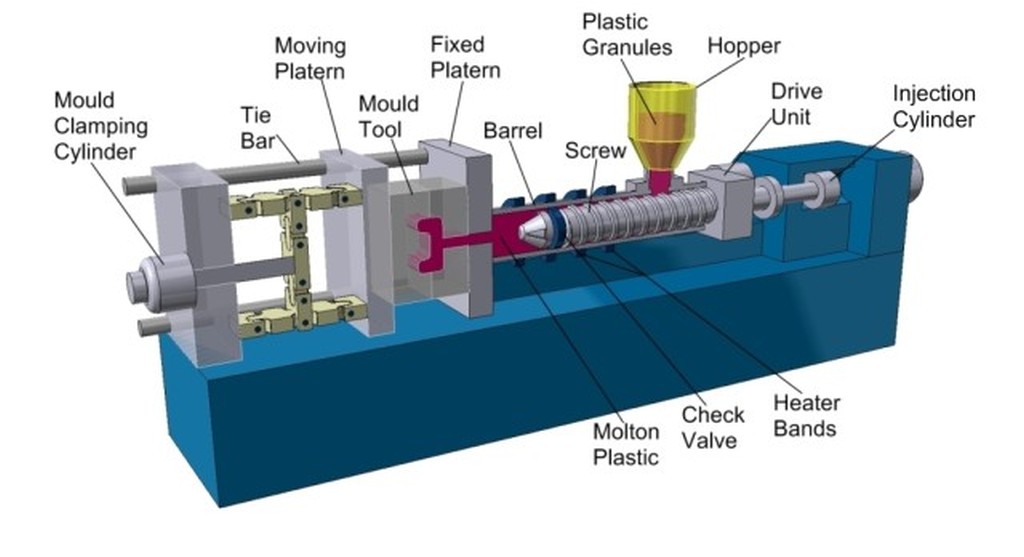
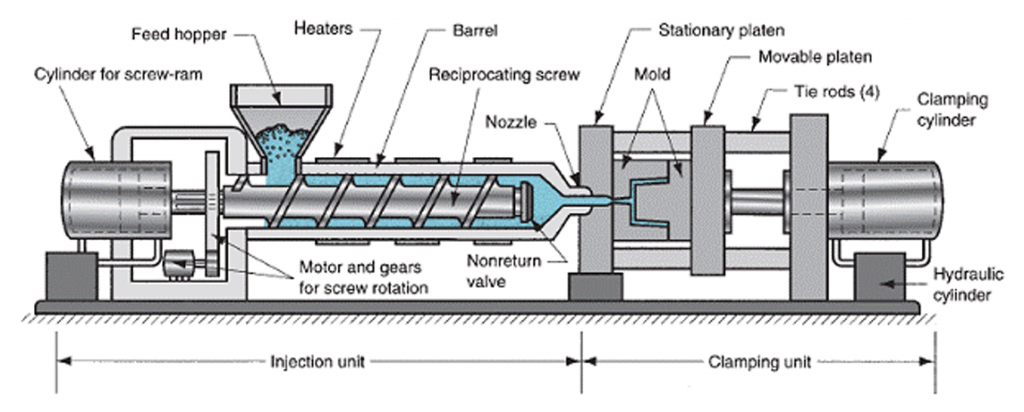
After completing the molds, it is time to place the material into the molds. The machine places the material into a heated barrel. It then mixes the material thoroughly. Later, it forces the heated material into a mold cavity.

The material stays in the cavity for as long as it takes to cool it down. Once the material hardens to the designed configuration, it is removed from the mold cavity. Injection molding offers diversity in terms of manufacturing. It is possible to manufacture small parts as well as the entire body of a car.

Injection Moulding Die Manufacturer


History

Alexander Parkers was the mastermind behind inventing first fabricated plastic. In 1862, during an International Exhibition in London, Alexander demonstrated its material. The named the material “Parkesine”.

Parkesine mainly compromised of cellulose was able to take on any shape. After heating and melting the material, it was possible to mould it in any desired shape.  However, it did have some side effects. The material was highly flammable, expensive and prone to crack.

Later in 1872, Alexander and his brother Isaiah came up with an injection moulding machine. The machine was not as sophisticated as we see today.

It had a huge hypodermic need and to inject the plastic it used a plunger. The material first passed through heated cylinders before they reach the mold cavity. It did take some time for the industry to progress. Initially, it produced online hair combs, buttons and collar stays.

However, in the 1940s, the industry rapidly expanded. World War II led to the demand for mass production of products at an extremely low price. Six years later, James Watson Hendry, an American inventor, introduced the screw injection machine.

The machine was an advancement of what Alexander had designed. It was able to better control the speed of injection. The product was also finer. In addition, the machine permitted the mixing of materials. Thus, allowing adding colors to the material.

The mixing made it possible to add the recycled plastic to the virgin material. Today, most injection moulding die manufacturer use screw injection machines. However, these machines are way advance than their ancestors.

The plastic injection industry has made tremendous progress over the years. Thus, we now can enjoy sophisticated machines. From those simple machines, we know have a wide variety of sophisticated injection moulding machines. These machines can produce almost anything.

Different Types of Injection Moulding Process

The basics of the injection moulding process remain the same in every type. They heat the plastic granules until they melt. The melted material is inserted into the mould using high pressure and nozzles. Finally, you wait for the material to cool down and harden in the required shape. Then remove them from the mould.

Below, are some common types of injections moulding process:

  • Injection Blow Moulding
  • Gas injection Moulding
  • Reaction Injection Moulding
  • Multi-station Injection Moulding
  • Multi-component Injection Moulding
  • Twin Injection Moulding
  • Triple Injection Moulding among others

Characteristics of the Process

Below, we have highlighted the main characteristics of the process.

  1. To insert the melted material (any type of plastic) into the mold cavity, it uses a screw-type plunger or a ram.
  2. The result t is an open-ended and solid shape. The shape is according to the contour of the mold.
  3. The process can use either thermoset materials or thermoplastic materials.
  4. It is responsible for creating gate marks, sprue, and a parting line.
  5. You will come across ejector pin marks, as they are commonly present.

Applications

Today, the injection-moulding machine can create a wide variety of things. For instance, they are used for producing automotive dashboards, bottle caps, packaging, and spools. They can also produce pocket combs, buttons, and several other plastic products.

Today, automobile manufacturers are a fan of injection moulding manufacturing. It is perhaps one of the most common methods to create car spare parts. In addition, industries around the world use this technique to create different types of parts.

The injection moulding process is excellent for mass production with zero tolerance to error. They can replicate the same product for thousand times without a slight error. It is also possible to use a wide range of materials.

The process is cost-efficient. It has minimal scrap losses and low labor costs. Usually, the finished products require none to minimal finishing after moulding. Nonetheless, the upfront cost of injection moulding die manufacture process is high. The machine is expensive and setting it up requires additional cost.

Machining

There are two main methods of creating a mould. Frist is the Standard Machine technique and the second is EDM. Both of these techniques offer great results. However, there are some differences in terms of functionality and usage.

Standard Machining

It is the historical method of creating the injection molds. Nonetheless, technological developments resulted in sophisticated technologies such as CNC machines. The CNC machining was highly efficient. They become an integral part of the injection moulding industry.

They were able to create complex moulds in less time. Despite being created in minimal time, these moulds offered accuracy.

Electrical Discharge Machine (EDM)

Today, the moulding industry has become a fan of the electrical discharge machining process. People often refer to EDM as the Spark Erosion Process. It is perfect for designing complex moulds. In addition, it offers a pre-hardened moulds. Thus, there is no need for heat treatments.

To soften the mould, the manufacturer would need annealing. In order to make changes to the solidified molds, traditional drilling will come into action.

Cost

There are several factors that contribute to the cost of moulds. Some of these factors include part size, cavities, and expected tool longevity. In addition, the injection moulding die manufacturer needs to focus on piece complexity and surface finishes.

Although, the initial cost is high, however, the cost decreases due to mass production.

Advantages of Injection Moulding Die Manufacturer

  • It is possible to do mass production of parts with good surface finish.
  • Manufacturers can use metallic along with non-metallic moulds to create parts.
  • The process is economical to produce small parts and intricate shapes.
  • Injection moulding has the ability to uphold close dimensional tolerance.
  • It is possible to use and reground minimum sprue, gate and runner.
  • It has a low labor cost per unit.

 Limitation of Injection Moulding Process

  • It requires high power to operate
  • The maintenance cost is high.
  • Moulding Machines are expensive.
  • High tool cost.

Injection Moulding Die Manufacturers and suppliers

Takeaway

Injection Moulding die manufacturer offers the convenience and ease. It is possible to design and develop complicated parts in minimal time and limited budget. The modern moulding processes ensure reliability and efficiency.

Modern and skilled manufacturers such as the Katio Mould offer outstanding moulding services. They use state of the art technology and modern technique to produce high-quality parts.  Therefore, you should reach out to them. You can effortlessly reach out to their learned customer care staff at 0086-768-82821468. They will resolve all your troubles and queries.

Categories
Blog

How to choose Injection Moulding Products Manufacturers?

Tips on Choosing the Right Injection moulding products manufacturers

The injection moulding process is among the first choice for producing plastic parts. Due to advance features, durability and enhanced efficiency it is easy to make a decision. There are several manufacturing techniques. Thus, offering your versatility.

Once you finalize your injection moulding technique, next comes the manufacturer. You need to consider a number of things to choose the right Injection moulding products manufacturers. In the course, of this article, we are going to discuss some imperative factors.

These factors will help you make a more learned decision. So, without any further delay, let us start.

Right Injection moulding products manufacturers: Selection Guidelines

The manufacturing of plastic parts is a complicated process. Therefore, it is imperative to consider some crucial factors. These factors will help you select the right injection moulding company. Make sure that your manufacturer suits your product, industry and meets the product requirements.

Let us have a brief introduction of the injection moulding process. In lame man terms, we can say it’s a process that uses plastic reins. It melts and injects these resins using high pressure into custom designed shapes, moulds.

Sounds Simple? However, it is not that simple. Several other minute details play an integral part. Therefore, manufacturers are always in search of reliable and affordable injection moulding partner. They partner should be able the manufacturer’s expectations.

Here are the seven most important factors that require consideration.


Injection moulding products manufacturers


Excellent Design Team

Primarily, you need to find a company that has an outstanding design team. After all, the design is the most critical aspect of plastic moulding. If the Injection Moulding Company has a great design team, this promises great results.

An experienced design team will help you achieve the right contours. They will ensure a clear design concept. The team understands that design clarity would lead to production efficiency. In case there is a fault in the design, it is bound to create unavoidable problems.

The right design ensures efficiency in terms of time and cost. To achieve your objective, you need to choose an injection moulding company with an outstanding design team.  Involving the right team in the initial stages will result in smooth mass production.

The team would help you simplify the geometry of the parts. Thus, it will reduce the number of pats. The right team can reduce the overall cost. In addition, they can help increase return on investments.

Range of Services

It is imperative for a company to offer one-stop manufacturing solutions. Ensure that the company can help you create optimal designs. These designs should be able to meet our product requirements and budget.

It should be able to assist you in the early stages of designing and development. One-stop solution injection moulding company will offer a wide range of services. They will be able to cater to your budget, along with efficiency.

You need to focus on the expanded services of the company as well. For instance, see what technical support they offer. Other services include mold flow analysis, part design, services prototyping and much more.

Specification Requirements

You will be surprised to know that certain manufacturers end up compromising the product specifications. There can be numerous reasons behind the compromise. For instance, they are not able to meet the deadline. Or the production is getting out of budget.

Therefore, it is important to find a company that never compromises on product specifications. A trusted injection moulding products manufacturers ensure you get a product with all the required specifications. Companies like Katio Mould would never compromise on the specification.

On the contrary, they would provide you with proper guidance on what is achievable within your budget and time. Thus, you will be able to make a more reliable decision.

Product Application

The production application is another important factor. You need to, fully focus on this aspect of the company. After all, the intended use of the part is imperative for several manufacturing stages. Some of these stages include development, design, and production.

A good moulding company would help you choose the right plastic reins. It will make the suggestion after thoroughly studying your product requirements. Experience companies have the expertise to choose the right plastic resins for a particular product application.

Different plastic resins come with different properties. For example, some are more robust in comparison to others. Likewise, they differ in terms of flexibility, moldability, heat resistance, and durability.

Plastic now replaces metal in several industries. The reason being, it is less expensive and it is weightless. It also helps in reducing the cost. Katio Mould has the skills to guide its clients in the best possible manner. It will help you make the right decision when it comes to choosing plastic resins for your product.

Technology Available

You need to check on the technologies that they offer. Make sure that the company has a state of the art technology. They should also have the skills of using their technology. After all, a plastic part may go through a series of alterations during the production phase.

A company that has complete command over its technology will be able to make this subtle, yet important alternation. They will also be able to make informed suggestions. In short, they will deliver high-quality parts within the desired time frame and budget.

Injection moulding products manufacturers and supplier china

Production Volume

The size and the volume of your production requirements have a direct impact on choosing the manufacturer. Remember, not only manufacturers can do mass production in limited time.  Different molders come in different capacities.

For instance, some Injection moulding products manufacturers have lower to moderate capacity. It means that they can deliver products of less than 10,000 parts.

These kinds of manufacturers work well for consumers that require prototyping for testing. They are also the perfect choice. if you are looking for similar ranges of volume. These manufacturers are the top choice of several industries.

For instance, they are great for agriculture components, aero engineering, and medical device components. The reason being, these industries hardly need high volumes. With similar requirements, we would recommend a low ranging injection moulding manufacturer.

However, in case, you are looking for high volumes, loo for moulders that can deliver the desired amount. There are companies such as Katio Mould that can deliver an order of different ranges. They can efficiently deliver small size product. At the same time, they are experienced enough to seamlessly generate high volume parts.

Quality Assurance

A reliable injection moulding products manufacturers usually have in house quality assurance team. The team is constantly monitoring every step of the production process. Thus, guaranteeing high-quality plastic parts.

Although most of the time the consumer ignores this problem, but it is of great importance. After all, quality assurance will have a direct impact on the quality of the product. In the highly competitive plastic market, you should never compromise on quality.

So, you need to choose only the best moulding company. The manufacturer should provide quality assured products. In addition, it should always provide efficient services. Make sure that the company has high-quality machines.

Only a good quality machine can deliver high-quality products. Another important factor that you need to consider is the company’s recognition. Before finalizing a company, do a quick background check. See their reviews and performance awards.

This will give you an idea of where the company stands in the industry. Thus, will they be able to deliver what they promise? Inquire about their maintenance programs and the type of inspection process they have implemented. Also, discuss their project management software.

Lastly, make sure that the company that you choose has ISO certification. This ensures that they will deliver only the best quality products.

Final Words

Accounting to all the above factors will help you choose a reliable injection moulding products manufacturers. So, pay close heed to all these factors and make the right decision.

If we can help you with your project please call us at 0086-769-82821468 or email sales@kaitomould.com.
Categories
Blog

CNC precision metal processing technology and operating specifications

Precision hardware can be opened according to production needs. After that, some small parts can be cut by gongs or CNC processing. However, precision hardware must be opened for punching, and then welded, then sanded and sprayed. It’s done. It should be noted that the small parts also need to be plated or oil sprayed on the surface after grinding. There are many situations of batch processing of precision hardware processing parts, so the manufacturing methods, cycles and operating specifications and processes of precision metal processing are different. Next, we will introduce precision metal processing technology and operating specifications for our field workers.


Precision metal processing technology:

1. There is a lot of uncertainty in the processing technology route. A component or product can have multiple processes, and there are many types of machinery and equipment and fixtures required in the production process.

2. Because hardware operation enterprises are mainly scattered processing, the quality and yield of products are largely dependent on the technical level of workers, and the degree of automation is mainly at the unit level, such as CNC machine tools, flexible production systems, etc.

3. Product parts and components are generally combined with self-made and outsourced processing. For example, special processes such as electroplating, sandblasting, oxidation, and silk screen radium carving will be entrusted to external manufacturers for processing.

4. There are many required parts. The workshop site often needs to fill in a lot of picking lists and will see a “figure” production order. If the process is handled, a lot of process transfer orders are also required to be filled.

Precision metal processing operation specifications:

1. When processing products. The operator must maintain a correct posture and have sufficient energy to perfuse the operation. If he is unwell, it is necessary to leave the job immediately for personal safety and report to the workshop supervisor or higher-level leadership. During the operation, it is necessary to gather thoughts, stop chatter and cooperate with each other. Operators must not operate in a state of irritability and tiredness. For personal safety, prevent outbreaks and ensure safe operation. All employees check whether their clothing meets the requirements of the job before entering the job. Never wear slippers, high heels, and clothing that affects safety. Wear hard hats for long hair.

2. Check whether the moving part is filled with lubricating oil before mechanical operation, then start and check whether the clutch and brake are normal, and run the machine idle for 1-3 minutes. Stop the operation when the machine is defective.

3. When the mold is replaced, the power supply should be closed first. The mold movement department can only start to install and debug the mold after the operation is stopped. After the installation and adjustment, move the flywheel by hand to test twice. In order to prevent unnecessary collision between the machine and the product to be processed, it is necessary to check whether the upper and lower molds are symmetrical and reasonable, whether the screws are firm, and whether the blank holder is reasonable. Position.

4. It is necessary to wait for other personnel to leave the machine working area and remove the sundries on the work platform before starting the power to start the machine.

5. During mechanical operation, do not put your hand into the slider operation area, and do not use your hand to pick and place the workpiece. It is necessary to use things that conform to the specifications when taking and placing the workpiece in the die. If you find any abnormal noise or malfunction of the machine, you should immediately close the power switch for inspection. After the machine is started, one person can carry materials and operate the machine. Others must not press the power building or step on the foot switch board. For the safety of others, do not put their hands in the machine’s work area or touch the moving parts of the machine with their hands.

The above is a detailed introduction of the precision metal processing technology and operating specifications summarized by Tongyang CNC. Small hardware products made by precision hardware are not final consumer goods, but are used as supporting products for industrial production, and there are also some semi-finished products. As long as a small number of precision hardware products are east-west consumer goods. Such as: screws, screwdrivers, wrenches, fishing tackles, etc. Precision hardware accessories are machine parts or components made of precision hardware, or some small hardware products, which can be used alone or as auxiliary appliances.

If we can help you with your project please call us at 0086-769-82821468 or email sales@kaitomould.com.
Categories
Blog

Ten factors affecting the quality of injection molds

1. Mold Steel Steel is the decisive factor in the quality of injection molds, and choose the right steel is the top priority. The standard for choosing steel is

①Injection molding material requirements Different plastics should use different steels, such as high polishing requirements, corrosion resistance requirements, etc.

②Price Steel can be used as well, not the more expensive the better; considering the cost factor of injection mold, the mold steel should use materials corresponding to the mold life to avoid unnecessary waste; the life of general P20 material is about 300,000 shots; 2738 material there is no problem to reach 500,000 shots, H13/2344 is usually more than 0.8-1 million shots, and can be selected according to the situation; ③Surface treatment The surface treatment of the mold is also very important. Nitriding can enhance the surface hardness of steel and effectively extend the mold life. Electroplating can effectively modify the mold steel. For some high-brightness and corrosion-resistant plastic parts, electroplating can be used to enhance and improve the performance of the steel.

2. Structure Design The mature injection mold structure not only considers the material properties of the product, shrinkage rate, molding temperature, elastic tensile deformation coefficient, etc., but also considers the cooling water passage, the speed of opening and closing the mold. The reasonable mold structure can effectively extend the mold life and ensure the smooth production of the mold, improve efficiency and reduce costs.

3.Mold Manufacturing If a worker wants to do something good, he must first sharpen his tools. The arrangement of the injection mold process is particularly important, and the reasonable process arrangement can speed up the production lead time, shorten the processing time, and effectively save costs. And more importantly, accurate and reasonable processing can ensure the stability and longevity of the mold during the production process. Some processing errors will lead to more serious is that have to re making of the mold. In addition, poor processing may affect the mold movement and reduce the mold life, resulting in cracking or breaking of the mold during the production process.

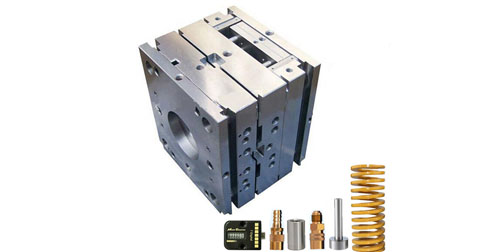
4. Standard Parts The lowest bar is the one that determines the capacity of the bucket. Everyone understands this truth, but it is often not noticed when doing it. The mold is the same, although the standard parts are not directly involved in the molding, but control the operation of the entire mold. Good standard parts should be wear-resistant, hard enough, high precision, and not easy deformation. Different brands of standard parts are very expensive, so don’t blindly budget the mold prices, always believe that good cost good products.

5.Spotting The mold clamping relies on the experience of the mold makers, it seems simple work but need experience most. The main thing about complex molds is this effort. The plate mold is the simplest, and the fractal surface is basically OK as long as there is no flash break. It is very troublesome if it is a car accessory mold. Not only is the fractal surface relatively irregular, but it often includes multiple sliders and top blocks. At the same time, it can improve and prevent  other problems of the mold through the touch, so it is a comprehensive work.

6.Polishing The polishing of the mold is the last step in the manufacture of the mold. Polishing is directly reflected on the plastic part, so this is the most face-to-face job. Polishing also helps and complements the mold movement, especially for demolding. Often some mold production is not smooth because the lighting is not in place, the resistance is too large, the demoulding is difficult, and even the white, the top crack and so on.

7.Mold Assembly Mold assembly is like assembling a machine. Every component and every screw can’t go wrong. Otherwise, the consequences will be quite serious. If it is light, it will lead to product defects, affecting production, and completely damage the mold and cause scrapping. Therefore, the assembly work must be very carefully. In the assembly process, especially pay attention to the cleaning of the mold, especially the water circuit and screw holes. Be sure to blow off the iron filings inside.

8.Hot runner or cold runner This actually has the least impact on the quality of the mold, because the hot runners are generally branded by customers, especially some large customers. Well-known foreign brands do very well in quality and after-sales service, so there is generally no problem in quality.

9.Cooling Anyone who has experience with injection molds knows how important cooling is to a mold. Due to the increase in prices and labor wages, it is unthinkable to reduce the profit from the one-second injection cycle time during the mass-production. However, when the production cycle time is accelerated, the temperature of the mold will rise. If it is not effectively controlled, the mold will be too hot to be formed, and even the mold deformation will be scrapped. Therefore, excellent waterway design is particularly important, including the arrangement density of waterways, diameters, links between each other, and so on.

10.Mold maintenance   Injection mold maintenance is mainly maintain and repair during the production process. The mold is like a car. If it is not used for a long time without maintenance, it may cause the mold to be scrapped. Therefore, every time the mold is used, it must be fully maintained, especially the rust prevention of the molded part and the rust prevention of the main moving parts. Because the mold has to connect cooling during the production process, it may fall into the mold during the installation or dis assembly process, so be sure to dry the mold and then apply a layer of oil protection.

If we can help you with your project please call us at 0086-769-82821468 or email sales@kaitomould.com.
Categories
Blog

The definition of precision injection molds Do you really know?

The definition of precision injection molds is determined according to two indicators, one is the precision of the processing equipment, and the other is the error caused by the mold processing. The comprehensive level of an injection molding machine is determined by the weight error of the injection molding machine. The error is less than 0.5% for the precision injection molding machine, the error is less than 0.3% for the ultra-precision machine, and the machine with the error of about 1% is the ordinary injection molding machine. As of the current state of the art, the world’s most precise injection molding machine can achieve an error of less than 0.15%.

The accuracy of the processed mold is mainly affected by several factors:

AS resin has a strong load carrying capacity, chemical resistance, thermal deformation resistance and geometric stability. The addition of a glass fiber additive to the AS resin increases the strength and resistance to thermal deformation and reduces the coefficient of thermal expansion. The Vicat softening temperature of the AS resin is about 110 °C. The deflection temperature under load is about 100 °C. The shrinkage of the AS resin is about 0.3-0.7%. AS resin is a hard, transparent material. The styrene component makes the AS resin hard, transparent and easy to process; the acrylonitrile component makes the SAN (AS) chemically and thermally stable.

The processing temperature of the AS resin is generally from 200 to 250 ° C. The material is easy to absorb moisture and needs to be dried for more than one hour before processing. Its fluidity is slightly worse than PS, so the injection pressure is slightly higher. Drying treatment If the storage is not suitable, the AS resin has some hygroscopic properties. The recommended drying conditions are 80 ° C for 2-4 hours.

The melting temperature is 200-270 °C. If a thick walled product is processed, a melting temperature below the lower limit can be used.

The mold temperature is 40-80 °C. For reinforced materials, the mold temperature should not exceed 60 °C. The cooling system must be well designed because the mold temperature will directly affect the appearance, shrinkage and bending of the product.
Injection pressure 350-1300 bar Injection speed High-speed injection is recommended

Runners and Gates All conventional gates can be used. The gate size must be appropriate to avoid streaks, freckles and voids.

If we can help you with your project please call us at 0086-769-82821468 or email sales@kaitomould.com.
Categories
Blog

Polyetherimide (PEI) – Plastic injection molding

Polyetherimide (PEI) is valuable in the medical, electronics and other fields that demand exceptional strength and rigidity in high-heat applications. The amber, high performance polymer offers excellent dimensional stability, combined with broad chemical resistance.
PEI is ideal for hot air and water environments and is very hydrolitaclly stable with excellent property retention.

With high-performance electrical properties and resistant to heat for long periods, the polyetherimide we mold is used for several industries:

  • Medical devices
  • Instrument trays
  • Electrical/electronics enclosures
  • Industrial parts

A frequent substitute for metal, polyetherimide offers several benefits:

  • High-impact strength
  • Creep and radiation resistance
  • Can be reinforced with glass fiber
  • Steam autoclavalble
  • UV and gamma radiation sterilizable
  • FDA compliant
  • Available in unfilled and glass filled grades

Kaito Mould can guide you to the proper polymer grade selection for your application.

If we can help you with your project please call us at 0086-769-82821468 or email sales@kaitomould.com.
Categories
Blog

Polybutylene Terephthalate (PBT) – Plastic Injection Molding

A polyester resin, thermoplastic polybutylene terephthalate (PBT) offers good electrical, mechanical and thermal properties with excellent chemical resistance to a variety of chemicals including aliphatic hydrocarbons, oil, grease, dilute acids and bases, and detergents :

  • Excellent dielectric strength
  • Superior electrical properties
  • Chemical resistance
  • Rigidity
  • Toughness
  • Resistance to solvents, grease, oil, chemicals and solvents
  • Flame retardance
  • High heat resistance

Valued for their insulation properties, resistance to impact and strength at high temperatures, polybutylene terephthalate parts molded by Kaito Mould serve a variety of applications in several industries, including:

  • Electrical/electronics connectors
  • Switches and controls
  • Medical applications such as clamps
  • Outdoor telecommunication enclosures
  • Industrial parts

Glass reinforced grades are available.

If we can help you with your project please call us at 0086-769-82821468 or email sales@kaitomould.com.
Categories
Blog

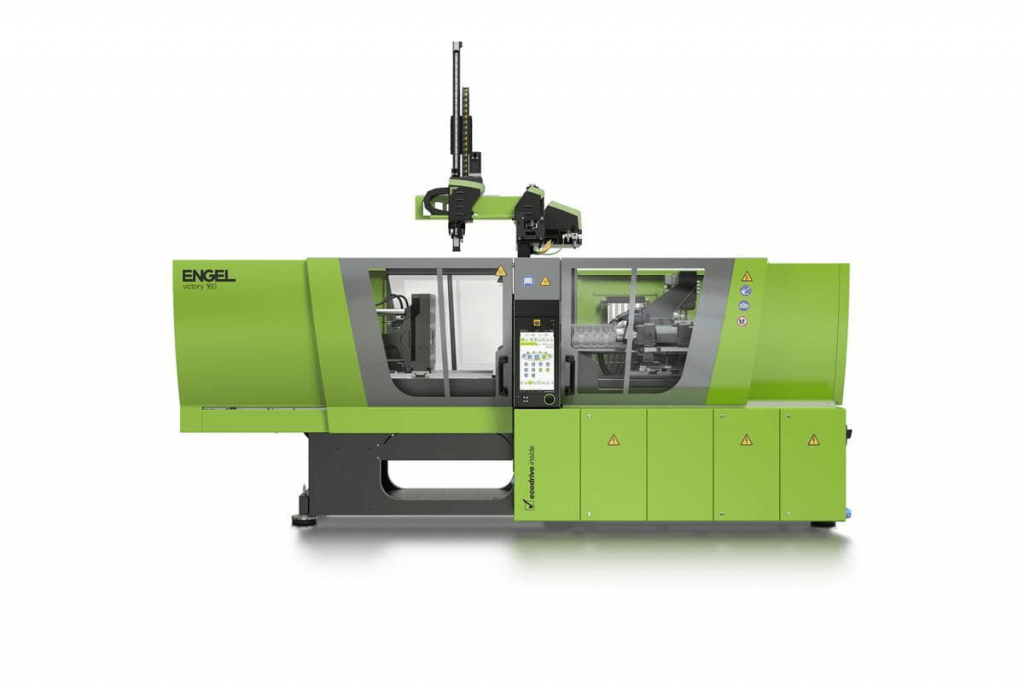
plastic-injection-mold-type

Low / High Cavitation
Single cavity molds are designed to produce one part per cycle. They are a cost-effective approach when part volumes are low as they are less expensive to build. They also have a shorter lead time. The disadvantage is a higher piece part cost in molding production.

Multi-cavity molds produce more parts per cycle. The major advantages are increased capacity and lower piece part costs as more parts can be produced within a comparable cycle time.

Family Mold
A family mold has a single mold base but two or more different cavities, allowing for the production of two or more different parts. All the parts can either be produced simultaneously or shut-offs can be used to isolate production to selected cavities. For best results in molding, the parts should be similar in size, shape, resin, and anticipated volumes, especially if the intention is to run all parts at the same time. Automation may be necessary to separate the pieces during or after production.

If mold cost is a driving factor and volumes are low, a family mold can provide cost savings and versatility.

Unscrewing Molds
Unscrewing molds are the most common method of creating threaded holes within a plastic part. These molds are automated with small drive systems (rack & pinion, electric, or hydraulic motors) that are tied into the process and rotate threaded features to extract undercut features. Threads can be internal or external, and the extraction is tied into the press cycle.

Multi-shot / multi-component tooling allows a product designer to use two or more dissimilar materials on the same part within the same cycle. There may be a variety of reasons why differing materials would be desired, including different physical properties or simply appearance. These molds often utilize multiple manifolds within one tool. Multi-shot tooling can be an elegant solution for complicated products, and can be used for color changes within a product line.

Specialized presses and molds are necessary to run multi-shot tooling. Multiple machine nozzles, hot runner systems and mold rotation may become necessary. While Matrix currently does not have any multi-shot molding presses on our floor, we are particularly adept at designing and building these complicated tools and have been doing so for decades.

Hot Runner Molds
Hot runner tools use a temperature-controlled manifold to greatly reduce or eliminate runner scrap from the cycle. Injection points can be outside the part or directly into the part. This can greatly improve cycle times, as a sprue or runner system is often a determining factor on the mold cycle. And, eliminating the runner saves expensive wasted material.

Hot runner molds require a temperature controller for the press they run in, with the controller being sized to match the manifold in the mold. Some mold maintenance costs are higher on a hot runner tool, but they often pay for themselves in the long run through material and cycle time savings. This is particularly true of applications that require expensive engineering grade resins or high annual volumes.

Cold Runner Molds
Cold runner molds are good examples of more traditional tooling in that they utilize sprues and runners to gate into the part. This is typically the least complicated form, however may result in larger amounts of wasted material and slower running cycles. Depending on the application, a percentage of wasted material may be re-ground and re-processed for future use, though this could affect the physical properties of the resin.

Dealing with more advanced, high-cost materials such as engineering and medical grade resins or the inability to use regrind in your application may lend itself to using a more efficient hot runner mold for your project.

Insulated Runner Molds
Insulated runner tools resemble more traditional cold runner molds but utilize cartridge heaters or other methods of heating to form a surrounding layer of molten resin, forming an insulated “”cull”” to create a similar effect to a hot runner system. This approach is less expensive than using a hot runner which requires a temperature controller and also has the benefit of allowing for faster color and material changes. However insulated runners are not suitable for all types of materials and typically do not work well with more demanding engineering grade resins.

Two / Three Plate
Three-plate molds are cold runner tools, but by adding a third plate to the runner system, you are able to locate your injection point into virtually any location on the tool. This is usually less expensive than adding a hot runner system, however this type of mold often has large and unwieldy runners, which can be more difficult to automate.

If we can help you with your project please call us at 0086-769-82821468 or email sales@kaitomould.com.
Categories
Blog

10 steps in plastic mold design

Accept the assignment

The task of molding plastic parts is usually proposed by the designer of the part, and its content is as follows:
1. Drawings of conventionally produced parts that have been inspected and signed, and indicate the grade and transparency of the plastic.
2. Specifications or technical requirements of plastic parts.
3. Production output.
4. Samples of plastic parts.
Usually, mold design tasks are presented by plastic craftsmen based on plastic molding tasks. Mold designers design molds based on the task of molding plastic and mold design.
Collect and organize data on product design, molding process, molding equipment, machining and special processing for designing molds.
1.Extract the drawings of plastic parts, understand the use of the parts, analyze the technical requirements of the plastic parts, such as manufacturability and dimensional accuracy.
For example, what are the requirements for the appearance, color transparency and performance of plastic parts, whether the geometry, slope and insert of the plastic parts are reasonable, the degree of molding defects such as welding defects, shrinkage holes, and whether there is post-coating , Such as assembly, plating, gluing, drilling, etc. Select the size with the highest dimensional accuracy of the plastic part to be analyzed, and see if the estimated forming tolerance is lower than the plastic part’s tolerance, and whether it can form a satisfactory plastic part. In addition, it is necessary to understand the plasticization and molding process parameters of plastics.
2. Extract process data and analyze whether the molding methods, equipment models, material specifications, mold structure types and other requirements listed in the process task book are appropriate and can be implemented.
The molding material should meet the strength requirements of plastic parts, and have good fluidity, uniformity, isotropy and thermal stability. According to the use of plastic parts, the molding material should meet the requirements of dyeing, metal plating conditions, decorative properties, necessary elasticity and plasticity, transparency or opposite reflectivity, adhesion or solderability.
3. Determine the molding method-use direct compression, casting or injection molding.
4. Select molding equipment
The mold is made according to the type of molding equipment, so you must be familiar with the performance, specifications and characteristics of various molding equipment. For example, for an injection machine, you should understand the following in terms of specifications: injection volume, clamping pressure, injection pressure, mold installation size, ejector and size, nozzle hole diameter and nozzle ball radius, gate sleeve positioning ring size, mold The maximum and minimum thickness, stroke of the template, etc. For more information, please refer to the relevant parameters.
A preliminary estimate of the mold size is required to determine if the mold can be installed and used on the selected injection molding machine.
5. Specific structural scheme
(1) Determine the mold type
Such as compression mold (open, semi-closed, closed), casting mold, injection mold, etc.
(2) Determine the main structure of the mold type
Choosing the ideal mold structure is to determine the necessary molding equipment and the ideal number of cavities. Under absolutely reliable conditions, the work of the mold itself can meet the technical and production economic requirements of plastic parts. The technical requirements for plastic parts are to ensure the geometry, surface finish and dimensional accuracy of plastic parts. The economic requirement of production is to make the cost of plastic parts low, the production efficiency high, the mold can work continuously, the service life is long, and the labor is saved.
3. There are many factors that will affect the structure of the mold and the individual system of the mold. These factors are very complicated:
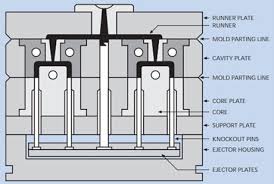
1. Cavity layout. According to the geometric characteristics of plastic parts, dimensional accuracy requirements, batch size, ease of mold manufacturing, mold cost, etc., determine the number of cavities and their arrangement.
2. Determine the parting surface. The parting surface should be positioned to facilitate mold processing, venting, demolding and forming operations, and the surface quality of plastic parts.
3. Determine the gating system (shape, position and size of the main flow channel, runner and gate) and the exhaust system (exhaust method, position and size of the exhaust box).
4. Select the ejection method (ejector, ejector, push plate, combined ejection), and then determine the undercut processing method and core extraction method.
5. Determine the cooling and heating method, the shape and position of the heating and cooling grooves, and the installation position of the radiator

If we can help you with your project please call us at 0086-769-82821468 or email sales@kaitomould.com.
Categories
Blog

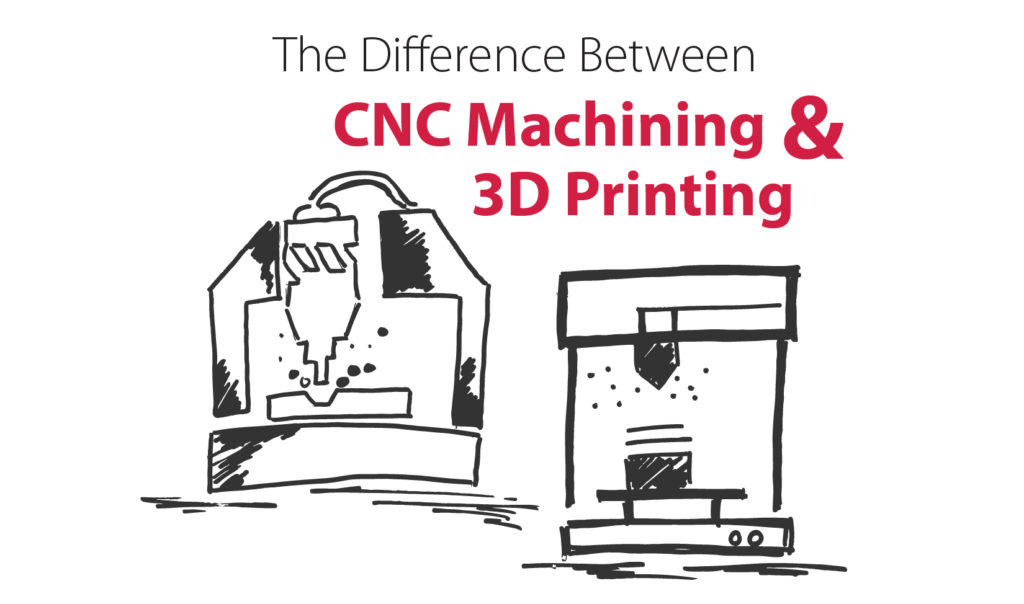
THE DIFFERENCE BETWEEN CNC MACHINING AND 3D PRINTING

As technology advances and revolutionizes engineering and machinery, you want to know you’re using the best equipment and leading your business forward. Some of these advancements are in computer numeric control (CNC) machining and 3D printing. They both work with different materials. But which one is best for your needs?

CNC machining and 3D printing have similarities and differences, and each has unique benefits. They have varying circumstances where you would want to use them regarding cost and availability. Breaking down each manufacturing style will help you pick the best method for you and your business.

Their main differences occur in productionwastescalematerial availability and size of the parts.

SIMILARITIES BETWEEN CNC AND ADDITIVE MANUFACTURING (3D PRINTING)

CNC machining and additive manufacturing are both computer-controlled solutions to making products out of a given material. They’re both machines at the forefront of building technology safely and efficiently.

As machinists and engineers want to build a prototype, a part or a custom product, they can turn to one of these machines to do the job for them. As long as the machines have the design, you don’t have to worry about human error because the machines are automated. While this doesn’t mean issues don’t arise, there’s more consistency with production and less chance of injury.

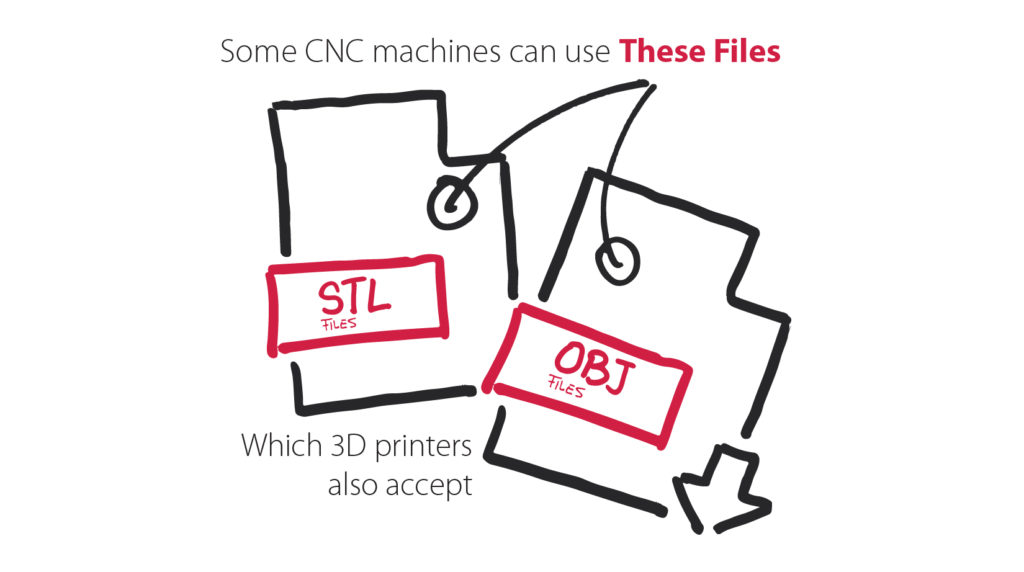
There is some overlap with these two manufacturing methods. Some CNC machines can use STL and OBJ files, which 3D printers also accept.

CNC machinery is older than 3D printing and still has a stronger foothold in manufacturing. The form started in the 1940s and had molded to fit into the industry up to the present. 3D printing came along in 1986. It’s still relatively new and evolving to be more accessible and versatile. 3D printing can help in some areas of prototyping, but it’s not a replacement tool for CNC machining.

They’re not so much alternatives to the other as they are both aspects of the manufacturing world. They meet different demands and handle different materials and markets. CNC machines and 3D printing both have unique capabilities and constraints that suit them for specific jobs. As they fit their niches in the market, you’ll want to compare it to whatever industry you’re in.

DIFFERENCES BETWEEN CNC MACHINING AND 3D PRINTING

From their building methods to what applications they can handle, CNC machining and 3D printing offer creative solutions in vastly different ways. Finding out their differences and strengths will help you find which one is right for you and your business.

3D printers are typically more efficient than traditional manufacturing. The printer uses the materials that make up the item it’s creating, whereas traditional manufacturing methods such as CNC Machining require more materials for the mold to work. On average, 3D printers produce less waste than traditional manufacturing methods.

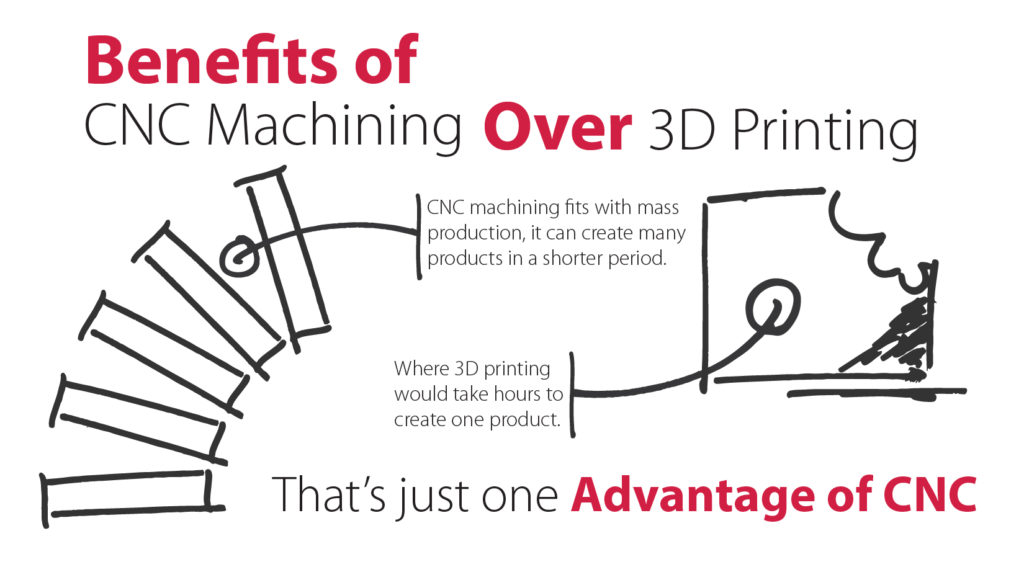
However, when production is large-scale, traditional manufacturing methods have a distinct advantage. Assembly lines are faster than a 3D printer in mass production because printers build layer by layer. In the hours that it could take to 3D print a product, an assembly line could have mass-produced hundreds of the same product.

Additionally, 3D printers can only use the area of the printing bed for making parts. Large-scale parts might not fit in that space. While the parts can be broken down into smaller pieces 3D printers can build, that might not be cost-effective and will take time. Traditional manufacturing has the advantage of the assembly line’s labor and will be able to produce items on a larger scale. Future 3D printers could be able to build larger items, but not on the level of what CNC machines offer with regard to quality and quantity.

3D printers can manipulate different materials such as plastics, metals and polymers. However:

  • Not all 3D printers can use these materials. It takes separate machines for each material.
  • 3D printers cannot work with every material that traditional manufacturers use due to high melting points.
  • Some projects might not be able to consider using 3D printers if they require specific materials that are incompatible with the printers.

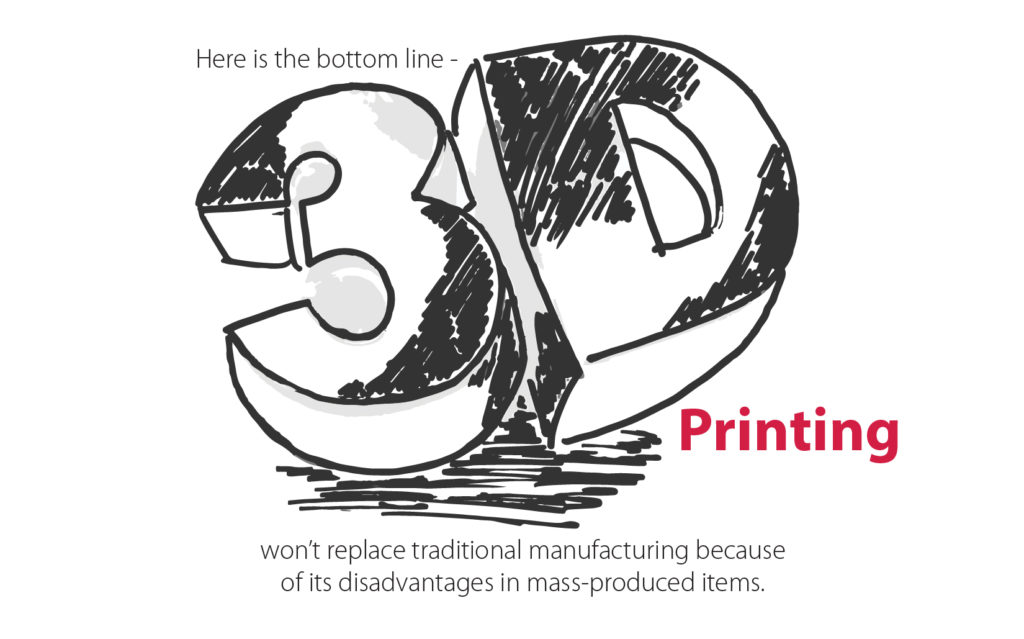
Here is the bottom line — 3D printing won’t replace traditional manufacturing because of its disadvantages in mass-produced items.

3D Printing vs. Traditional Manufacturing

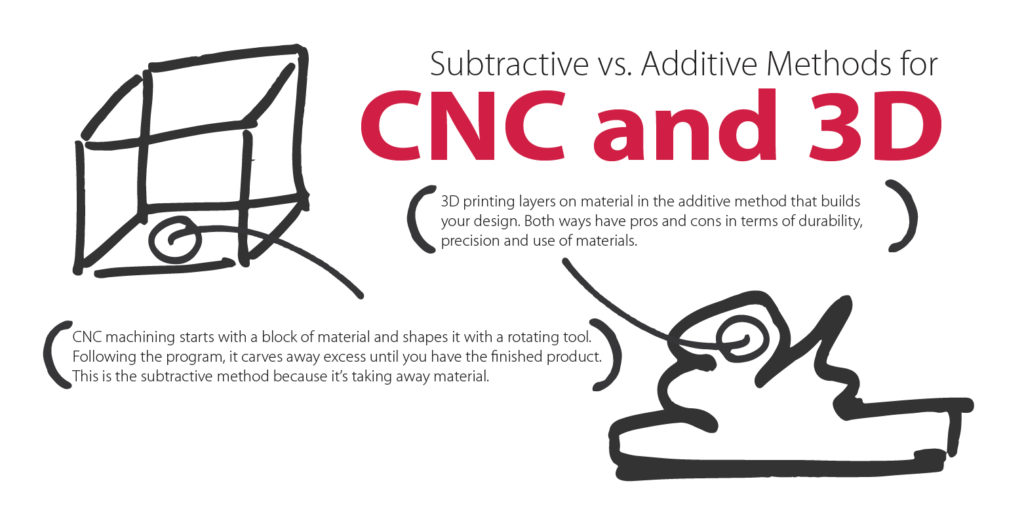
CNC machining starts with a block of material and shapes it with a rotating tool. Following the program, it carves away excess until you have the finished product. This is the subtractive method because it’s taking away material.

3D printing layers on material in the additive method that builds your design. Both ways have pros and cons in terms of durability, precision and use of materials.

Material Usage for CNC and 3D

CNC machining works with a variety of materials. They can use:

  • Metal alloys
  • Woods
  • Acrylic
  • Modeling foam
  • Thermoplastics
  • Machining wax

CNC machines have heating systems that can manage heavy materials. These materials are used to build substantial parts for engines, aircraft and other machines. They need to be exact, dependable and durable. The cutting tools for the design might have to switch, but most tools are standardized to fit any CNC machine.

3D printing doesn’t have this variety, using materials like plastics or resins. They can’t produce items strong enough to withstand intense environments like airplanes or other machinery. Also, 3D printers can’t switch between materials. Certain 3D printers are for specific kinds of material.

3D and CNC Precision of Production

CNC machining is more precise and consistent than 3D printing because they have a higher tolerance for heat. 3D printers end up with distorted products when there’s too much heat. They can offer precision but cannot remain consistent. 3D printers are often regarded as more user-friendly than CNC machines, but when they malfunction, someone has to troubleshoot them because the fault means production of unusable products.

CNC and 3D Speed of Production

CNC is a faster solution than 3D printing. Automated CNC machines can work around the clock as long as they’re properly maintained. A project that could take CNC machining an hour would equate to a 3D printer taking hours to get the final product because it has to build the product layer by layer. A 3D printer’s pace might have to slow down during the process to get the design right. Different 3D printers could also be programmed with specific speeds that you can’t alter. It depends on the machine you use.

3D printed products also require work after they’re built. The products need to be washed, polished and sealed before people can use the product. This could extend prototype testing to a longer time period with a lot of waiting in between. 3D printers are also popular for smaller, custom-manufactured items. But if you have to wait for the item to be built and still do a lot of work post-print, you lose a lot of time before you can move the product.

Versatility of Machinery for CNC vs. 3D

CNC machines can produce fixtures, tools and custom-designed parts. They have a wide range of quality settings so you can make a prototype that has a rougher design in some areas and perfect in others so you can test that part.

When testing prototypes for a project, a CNC machine could quickly build a design so the developers can test it. 3D printers don’t have these kinds of options. It will slowly shape the design as it was programmed. Accuracy is key when constructing a final product, but when time is a constraint and you want to test some prototypes, 3D printers can slow down you and your project. Designs made for a CNC machine usually can’t be substituted with a 3D printer because the products are voluminous and it would take hours for a 3D printer to finish them.

Noise and Mess Produced by CNC and 3D

These differences relate to the subtractive and additive methods. CNC machining is much more noisy and messy than 3D printing because it uses a tool to cut away material. This creates noise and a lot of scrap metal or wood shavings. CNC machines cause a lot of vibrations, so they need to be in a space where they won’t bother anyone. 3D printing only uses the material it needs for the product. There’s little to no waste, and the printers don’t vibrate like a CNC machine.

Applications for CNC and 3D

CNC machining can manufacture bigger products and can handle heat-resistance. 3D printing has more niche categories, such as printing food or working in space.

CNC Machining vs. 3D Printing

According to World Finance, 3D printing is not a solution that can replace CNC machining. 3D printing is a part of the manufacturing world, but it’s not the invention that’s going to change the market as everyone knows it.

3D printers can improve certain aspects of manufacturing but cannot handle the whole market, as CNC machining still works better in many situations. CNC machining still offers better quality than expensive 3D printers.

On a smaller production scale, 3D printers have an edge in saving businesses money from buying expensive molds. They also offer an insight to the product’s shape and aesthetic. But as production increases and time factors in, they don’t hold up as well as CNC machines.

BENEFITS OF CNC MACHINING OVER 3D PRINTING

CNC machining fits with mass production. It can create many products in a shorter period, where 3D printing would take hours to create one product. That’s just one advantage of CNC. Let’s take a look at some others.

Prototyping Becomes Easier

CNC machines are better for prototypes that can withstand structural tests because they carve the design from the material. They can also build prototypes out of the exact material that will be used to make the final product.

Structural tests and alterations will be more accurate because they use the same material. This could speed up the production process because the changes will be to the design and not the material. 3D printers don’t fabricate prototypes with the structural strength, so they can’t conduct physical tests.

Prototype Integrity Improves

CNC machines don’t heat the material and reform it. The material stays stronger and has a better structural integrity than 3D printers, which have to heat the material to build the intended product. 3D printers might also have to add foreign materials to the mixture to be able to make the prototype, which CNC machines don’t need.

Surface Finish Advantage

CNC machines provide better surface finish than 3D printing because the materials don’t deform during the process. The rigid material and cutting action keeps the product together and has fewer chances for mistakes or deformations to occur. 3D printing has poorer surface finish. The material bends, warps or distorts because the material is layered heated plastic.

Tolerance Levels Rise

CNC machines work with higher precision, so the parts have a better tolerance than 3D printers. Because of tolerance level, prototypes that have shafts or connect to other parts will be higher quality and will more likely fit with other components.

Price and Volume Don’t Dictate Price

3D printing costs depend on the volume of needed materials. Final product volume doesn’t dictate the price for CNC machines. 3D printing wouldn’t be cost-effective with larger orders, and this is the situation where CNC machines thrive.

Quality in Favor of CNC

Larger layers from a 3D printer are faster but not as high-quality as smaller layers. If you need a prototype, you have a choice to get it fast but of slightly less quality, or wait longer for the prototype with the best quality the printer can provide. CNC machines have the option for you to choose resolutions for your item. They can offer varying qualities in a short amount of time, making them ideal for quick builds and immediate results for testing.

Keeping Costs Down

If you have the option of choosing which manufacturing method to use for your product, CNC machining is usually cheaper than 3D printing.

Contact  Kaito mould Works, Inc., for Your CNC Machining Needs

CNC machining can build the parts you need for your business. Our expert machinists at Kaito Mould Works, Inc., will provide outstanding work that will help you reach your goals. We aim to help you get the correct part for your project.

Kaito Mould Works, Inc., provides services for custom machine building, precision parts machine and reverse engineering of components to give you the product you need promptly. We deliver exceptional CNC machining solutions for manufacturers in multiple industries. Our skill in specialization and dedication to our work will help you and your business stay on the cutting edge of the industry. We have the solutions you need. Get in touch with us today.

If we can help you with your project please call us at 0086-769-82821468 or email sales@kaitomould.com.